Israel needs to protect civilians or risk 'strategic failure' in Gaza


As the conflict between Israel and Gaza continues to escalate, it becomes increasingly important for Israel to prioritize the protection of civilians in order to avoid a potential "strategic failure" in the region. The situation in Gaza has been marked by a significant loss of human life and extensive damage to civilian infrastructure, prompting growing concerns about the long-term repercussions.
The latest outbreak of violence stems from long-standing tensions and grievances between Israel and Gaza. As hostilities have intensified, it is crucial to assess the impact on the civilian population and the potential consequences for both sides.
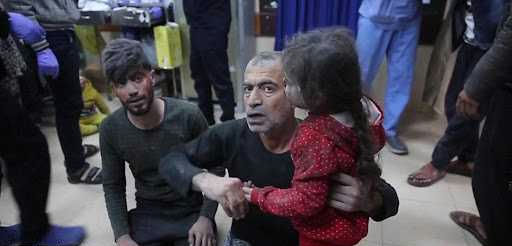
In recent weeks, the Israeli military has conducted airstrikes targeting various locations throughout Gaza, including residential areas, resulting in a substantial loss of civilian lives. These tragic incidents have drawn international condemnation and raised serious questions about the proportionality and necessity of the Israeli military's actions.
It is important to note that while Israel has a legitimate right to defend itself against threats, it also bears the responsibility to ensure that its actions strictly adhere to international humanitarian law, including the principles of distinction, proportionality, and precaution. These principles prioritize the protection of civilians and minimize harm to non-combatants.
By failing to effectively protect civilians in Gaza, Israel risks significant consequences, both in terms of its strategic goals and its international reputation. The loss of innocent lives and the destruction of civilian infrastructure only serve to deepen grievances and fuel animosity, potentially leading to further cycles of violence in the future.
Moreover, the failure to protect civilians can have severe diplomatic, political, and strategic ramifications for Israel. It may damage its relationships with key allies, strain regional stability, and undermine efforts for lasting peace in the Israeli-Palestinian conflict. The international community closely monitors how conflicts are managed, particularly in terms of the protection of civilians, and Israel's actions will have an impact on its credibility and standing.
In order to avoid a "strategic failure," Israel must prioritize the protection of civilians and make every effort to minimize harm. This includes implementing effective measures to verify targets, conducting thorough assessments of potential collateral damage, and prioritizing diplomatic and humanitarian initiatives to deescalate tensions.
While there are no easy solutions to the challenges presented by the conflict, a commitment to the protection of civilians is an essential step towards finding a sustainable resolution. In doing so, Israel can demonstrate its adherence to international humanitarian norms and work towards mitigating the long-term consequences of the current violence.
In conclusion, Israel must prioritize the protection of civilians in Gaza to avoid a potential "strategic failure" with far-reaching consequences. Upholding international humanitarian law, minimizing harm to non-combatants, and pursuing diplomatic and humanitarian initiatives are essential to mitigate the impact of the conflict and work towards a sustainable resolution.


Comments